Cleaning and Preparing the Camper for Storage
A clean and dry camper is easier to maintain and prevents long-term wear. Before putting it away, the interior should be cleared of perishable food and moisture-prone items. Wiping surfaces, vacuuming floors, and sanitizing kitchen and bathroom areas prevent mold and unpleasant odors.
The exterior needs equal attention. Washing off dirt, dust, and insects from the road protects the paint and body from corrosion.
Emptying tanks, draining water lines, and checking seals reduce the risk of leaks or damage from freezing temperatures. A protective cover or tarp provides an extra layer of defense against dust and sun exposure, keeping the camper in better shape between trips.
Simplifying Transport Back from the Trip
Returning home after a camping adventure can be just as important as the journey itself. Many owners look for affordable RV transport to make the process easier and more efficient when handling long distances or large campers. Before departure, checking the towing vehicle’s tires, brakes, and connections ensures safe travel. It’s wise to plan routes that avoid low-clearance bridges and narrow roads to prevent complications.
Having a designated parking or unloading area ready at home or in a storage facility saves time and reduces effort. With a bit of preparation, transporting the camper back becomes a simple and organized task.
Choosing Safe and Accessible Storage Options
Where a camper is stored plays a big part in how well it holds up during periods of inactivity. Some owners prefer keeping it at home if space allows, which offers convenience for quick inspections and maintenance.
Others opt for specialized storage facilities that provide security, climate control, and protection from the weather. These facilities can accommodate various camper sizes and are often designed for easy maneuvering and parking.
When selecting a storage space, accessibility matters, and having the camper in a location that’s easy to reach makes it simpler to prepare for the next outing. Checking for amenities such as surveillance cameras, fencing, and covered areas helps guarantee peace of mind.
Maintaining the Camper Between Adventures
Campers benefit from occasional attention to keep them in good working order, even when stored. Running the engine and generator periodically, if applicable, prevents mechanical issues caused by inactivity.
Checking tires, batteries, and seals every few weeks avoids unpleasant surprises later. For motorhomes, fluid levels and filters should be monitored, while towable campers may need hitch lubrication and brake checks.
Keeping a simple checklist makes it easier to stay organized and ensures all systems remain ready for the next journey. A small investment of time in ongoing care can significantly extend the camper’s lifespan and reduce repair costs.
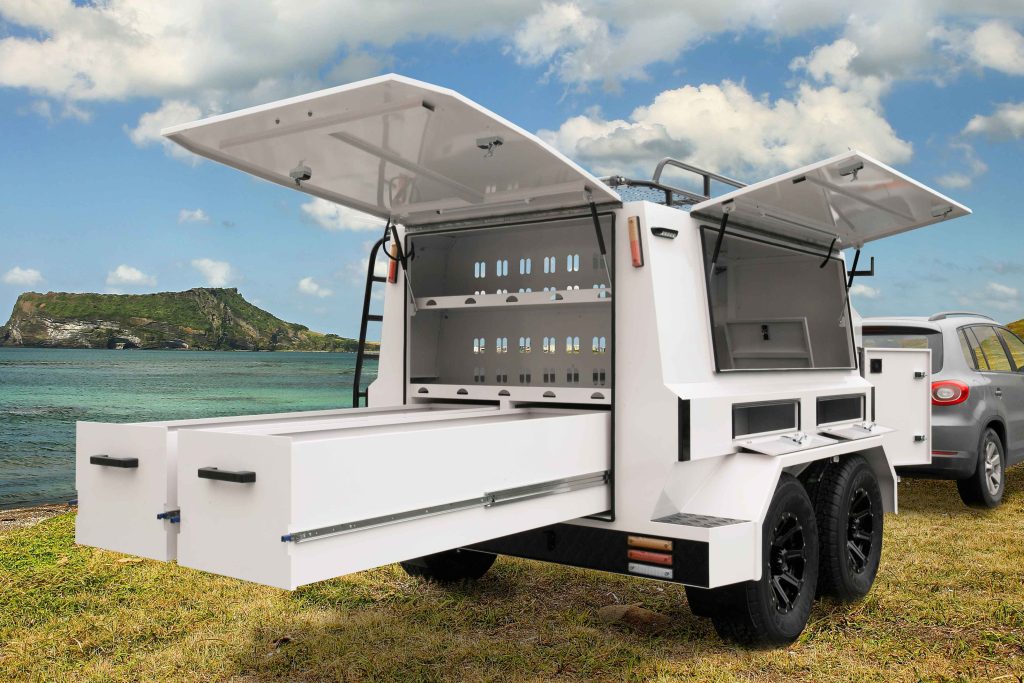
Simplifying transport and storage after a camping trip helps preserve the value and reliability of the vehicle while making the transition from adventure to everyday life much smoother. With proper cleaning, safe storage arrangements, organized transport, and occasional upkeep, camper owners can spend less time worrying about maintenance and more time planning their next escape.
Consistent care after every journey transforms what could be a tedious task into a manageable part of the travel routine.