
Why RV Roofs Matter More Than Many Travelers Realize
An RV roof protects more than the interior space. It shields insulation, wiring, framing, and structural joints from moisture. When water enters through small cracks or failed seams, it spreads slowly and quietly. Many owners do not notice the problem until repairs become costly and disruptive. For travelers who spend time far from service centers, that risk grows.
Older roofing systems often rely on seams, tapes, and layered materials. These systems work until heat and movement begin to pull them apart. Sun exposure weakens adhesives. Vibration from travel loosens joints. Temperature changes cause expansion and contraction that stress the surface. Over time, these forces create small openings that allow moisture to enter. This cycle leads to frequent resealing, patching, and material replacement.
Modern roof technology approaches the problem in a different way. Instead of relying on seams and joints, newer coatings form a continuous surface that bonds directly to the roof structure. This shift reduces weak points and creates a barrier that behaves more like a single piece than an assembly of parts.
How Continuous Roof Coatings Change RV Longevity
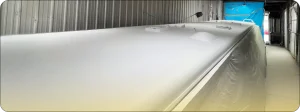
A continuous roof coating forms as a liquid and becomes solid within moments. The process allows the material to flow into edges, transitions, and penetrations before curing. Once set, the surface stretches across the roof without breaks. This matters because most roof failures begin at seams or around fixtures. A seamless surface removes many of those starting points.
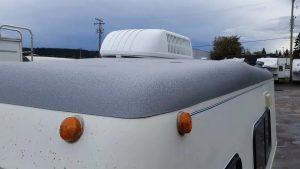
A modern RV roof coating also responds better to movement. RVs flex while driving and while parked on uneven ground. Traditional roofing materials resist that motion until they crack or separate. A spray-applied membrane moves with the structure instead of fighting it. This flexibility helps the roof remain intact as conditions change.
The result is a roof that holds its shape and function for a longer period. Fewer repairs mean fewer materials used over time. For travelers who care about reducing waste and extending the life of their vehicle, this approach fits naturally with sustainable goals.
Travel Conditions That Test Roof Systems
Eco-minded travelers often visit remote locations. They camp in high heat, cold nights, strong sun, and heavy rain. These environments expose weaknesses in roof materials faster than short trips near home. Heat can soften older coatings. Cold can cause cracking. UV exposure can break down surfaces until they chalk or peel.
Modern coatings address these issues through chemistry that remains stable across temperature ranges. The cured surface resists breakdown from sunlight and holds its form through repeated heating and cooling cycles. This stability protects the RV during long stays and during storage between trips.
For people who prefer fewer interventions and less frequent maintenance, a stable roof supports that lifestyle. It allows the focus to remain on travel rather than repairs.
Sustainability Through Durability
Sustainability often begins with using things longer. Replacing parts less often reduces manufacturing demand, shipping impact, and disposal waste. An RV roof that lasts many years without failure contributes directly to that effort. Instead of removing old membranes and adhesives every few seasons, owners maintain a single surface that continues to perform.
This approach also reduces the need for emergency repairs. Emergency fixes often involve temporary materials that later become waste. A durable roof minimizes those situations. It supports long-term ownership with fewer interruptions.
For EcoCampor readers who value thoughtful travel and responsible gear choices, roof durability fits into a broader mindset. The same principles that guide choices in camping equipment and travel habits apply to vehicle care.
Why Owners Are Rethinking Roof Maintenance
Many RV owners grew accustomed to routine roof work. Annual inspections, resealing seams, and patching small cracks became normal. While these tasks kept roofs functional, they consumed time and materials. As newer options appeared, owners began to question whether this cycle was necessary.
Modern coatings reduce the need for constant attention. Once applied, the surface maintains its integrity without repeated sealing. This frees owners from regular repair schedules and reduces the number of products used over the life of the RV.
This shift does not remove responsibility. Owners still inspect their roofs. The difference lies in how often they find problems. A stable surface offers peace of mind, especially for travelers who spend extended time on the road.
Supporting Long-Term Travel and Remote Exploration
Remote travel places unique demands on equipment. When an RV sits far from repair facilities, reliability becomes essential. Roof issues can end a trip or force difficult decisions. A roof that resists leaks and damage allows travelers to explore with confidence.
Modern roof coatings support this style of travel by creating a surface that handles environmental stress without constant intervention. They help keep the interior dry and protect systems that support off-grid living. Solar wiring, ventilation systems, and insulation all benefit from a roof that stays sealed.
For travelers who value self-reliance, this reliability aligns with their goals.
The Role of Technology in Responsible RV Ownership
Technology often gets framed as something complex or distant. In reality, its value shows up in simple outcomes. A roof that stays intact. A structure that remains dry. A vehicle that lasts longer. These results support responsible ownership.
When owners invest in systems that reduce long-term waste and maintenance, they contribute to a more sustainable RV culture. Fewer discarded materials and fewer replacements benefit both the owner and the environment.
This perspective fits naturally with EcoCampor’s focus on thoughtful outdoor living. Responsible travel includes caring for the tools that make that travel possible.
A Roof That Matches the Way People Travel Today
RV travel continues to evolve. People stay on the road longer and visit more diverse environments. They expect their vehicles to keep up with those plans. Roof technology has responded by offering solutions that match real-world use rather than ideal conditions.
A modern roof coating supports travel that spans seasons and climates. It protects the structure beneath it and reduces the need for constant upkeep. For owners who value longevity, reliability, and reduced waste, this approach offers a clear advantage.
As more travelers embrace sustainable practices, they look for ways to align every part of their RV with those values. Roof protection plays a quiet but important role in that effort. A durable roof supports longer journeys, fewer repairs, and a lighter footprint over time.