In April 2025, the global RV industry experienced a sharp disruption due to a sudden escalation in tariffs between the United States and China. What began as a policy move toward “reciprocal tariffs” quickly turned into a flashpoint for international trade. For businesses involved in the import and export of recreational vehicles — especially those working in bulk supply, distribution, and fleet operations — the impact has been significant.
1. What Happened: The 2025 Tariff Flash War?
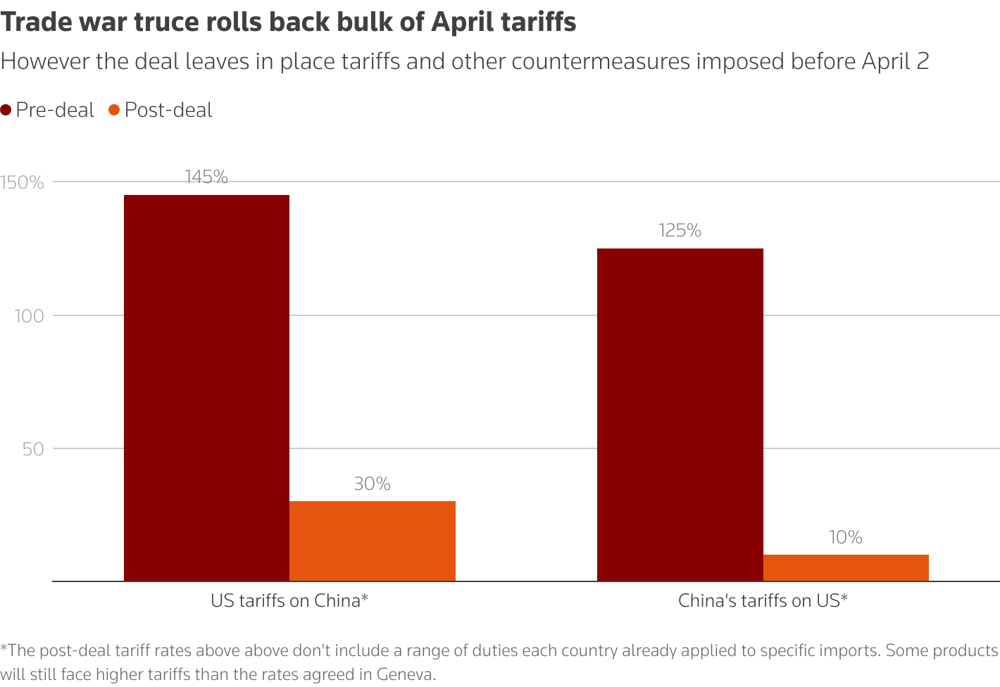
On April 2, the U.S. government introduced a sweeping 10% baseline tariff on all trade partners and an additional 34% duty on Chinese imports. China responded within days, raising tariffs on U.S. products to similar levels. By mid-April, the U.S. had increased duties on Chinese goods to as high as 145%, and China matched with 125% on U.S. goods.
This rapid escalation caused a virtual freeze in shipments. Some exporters halted outgoing containers to avoid losses, and many importers delayed or canceled orders due to cost uncertainties.
A turning point came in mid-May, when the U.S. and China reached a temporary agreement in Geneva. Both sides rolled back over 90% of the added tariffs and agreed to suspend a further 24% for 90 days, maintaining a reduced 10% surcharge during that period. This truce provided temporary relief — but not resolution.
2.Effects on the RV Supply Chain
The RV industry, which relies heavily on cross-border supply chains, felt the effects immediately. Manufacturers, dealers, and fleet buyers across Europe, Australia, and North America encountered several key challenges:
Cost Increases
During the height of the tariff spike, import costs for complete RVs, components, and accessories rose dramatically. Even though the tariffs were reduced in May, many contracts and shipments had already been affected, resulting in increased landed costs. Some suppliers had no choice but to pass those costs down the chain, while others paused deliveries to avoid unprofitable margins.
Supply Delays and Inventory Disruptions
As shipments were held back in April, inventories began to tighten — particularly for high-demand parts like appliances, electronics, or chassis components sourced from China. When the temporary tariff relief was announced, there was a sudden surge of outbound shipments. This “traffic jam” at key ports led to further delays, even as duties fell.
Dealers and distributors had to navigate both understock and overstock scenarios in a short period. Planning cycles became compressed and unpredictable, with many choosing to over-order during the 90-day window of reduced tariffs, despite the risk of potential excess later.
Confidence and Planning Challenges
Price volatility and policy uncertainty made it difficult for businesses to commit to new orders or fixed-term contracts. B2B buyers, especially those managing seasonal RV fleets or long-lead installations for campsites and tourism operators, struggled to forecast pricing or availability with confidence.
3. What B2B Buyers Should Consider Now
While the tariff rollback brought short-term stability, the long-term picture remains uncertain. Businesses should remain cautious and adaptable. Here are several recommendations for managing this uncertainty:
Monitor Policy Announcements Closely
Government decisions around trade policy can shift quickly. It’s essential to stay informed — not only about official tariff schedules but also about potential exemption lists and diplomatic developments. Trade associations, freight forwarders, and industry news sources can help track these changes.
Align Shipments with Policy Windows
If a tariff reduction window is open (as it is now, through mid-August 2025), consider accelerating key shipments. At the same time, avoid overcommitting to stock that may become expensive to store or difficult to move if demand slows.
Where possible, negotiate flexible terms with suppliers — such as partial deliveries or shared-cost models — to maintain operational agility.
Diversify Supply Sources
Relying on a single country or supplier increases risk. Some businesses are actively exploring alternative manufacturing partners in regions less affected by U.S.–China tensions, including Southeast Asia, Eastern Europe, or domestic options.
While shifting supply lines may require new certifications or retooling, the long-term benefit is reduced exposure to geopolitical disruption.
Communicate Proactively with Customers
B2B relationships rely on transparency. Keep your clients informed about possible delays or pricing changes linked to tariff fluctuations. Many customers are aware of the broader context and may appreciate early communication and contingency planning.
4. Looking Ahead
The Geneva agreement provided breathing space, but the underlying issues have not been resolved. If talks fail to produce a longer-term deal by the end of the 90-day suspension, tariffs could rise again, and supply chain volatility may return.

In the meantime, RV businesses that focus on flexibility, informed planning, and diversified sourcing will be better positioned to manage whatever comes next. Whether you’re exporting motorhomes from China or distributing parts in Europe, the next few months are a critical time to evaluate supply strategies and protect your margins.
5. Frequently Asked Questions: Tariffs & the RV Trade in 2025
Q1: Are U.S.–China tariffs still affecting RV imports in 2025?
Yes. Although a partial rollback was negotiated in May 2025, a 10% base tariff still applies to many Chinese-made RVs and components. The situation remains fluid, and importers are advised to monitor developments closely.
Q2: What’s the current U.S. tariff rate on Chinese RV parts and accessories?
As of mid-May 2025, the U.S. agreed to reduce the tariff rate from a peak of 145% down to approximately 30% on most categories, with many essential components now facing a 10% duty. Rates could rise again if no long-term deal is reached.
Q3: How do tariffs affect RV dealers and fleet operators in Europe and Australia?
Even if they’re not importing directly from China or the U.S., they may face delays and price increases. Many global RV components — such as air conditioners, solar panels, and plumbing — are sourced from China. If upstream suppliers adjust prices or experience stock issues, the impact is felt globally.
Q4: What can importers do to reduce risk from future tariff hikes?
- Diversify suppliers across multiple countries
- Monitor trade policy announcements weekly
- Use bonded warehousing where available
- Consider sourcing some parts domestically, even at slightly higher cost
Q5: Is it safe to place large RV orders now?
The current 90-day tariff relief (as of May 2025) offers a good opportunity to place time-sensitive orders, but buyers should remain cautious. It’s recommended to split large orders into smaller shipments or work with suppliers offering price flexibility.
Q6: Which RV components are most affected by the tariff fluctuations?
Electrical systems, kitchen appliances, chassis frames, plumbing kits, and solar accessories have seen the greatest volatility — primarily because they are often manufactured in or assembled from Chinese parts.